Se afișează postările cu eticheta Job. Afișați toate postările

miercuri, 31 august 2011

Top 10 Jobs For Lazy People

Having a job can really cramp your style. In addition to seriously messing with your sleep schedule and preventing you from watching good daytime t.v., it imposes responsibilities on you and requires you to live up to them. Sure, this is great if you’re a real go-getter, but what about those of us who would rather loll around in bed all day and move as little as possible? Shouldn’t there be jobs out there for us, too? In this vein, the Top Ten Jobs for Lazy People are:

10. Crossing Guard


When it comes to jobs for lazy people, you have to love a career that only requires you to work twice a day for 45 minutes to an hour at a time. Sure, crossing guards have to get up early and work in inclimate weather, but we suspect that they also go back to bed immediately thereafter. Additionally, as you only need one hand to hold up the “stop” sign, you can use the other hand to hold your coffee. The only real requirement for this job is that you arrive on time and that you are able to identify a situation in which a car might slam into/run over a child. If you can manage to hold your “stop” sign up in the face of such danger, crossing guard might be the career for you.

9. Celebrity Blogger


Sleep all day and hit the clubs at night with your camera in an effort to catch celebrities at their worst. Or don’t. You can also remain in your pajamas all day and night, simply waiting for others to send you photos and gossip to include on your blog. Since lazy people generally don’t like to get dressed and do like to spend all day lolling around online, celebrity blogger is the perfect career for those of us who are indignant that people have such high expectations of us: such as expecting us to get out of bed each day and take showers.

8. Secret Shopper


It’s hard to believe that people get paid to do something they we probably planning to do anyway, but this seems to be the racket secret shoppers have managed to set up for themselves. Check your email a few times a week to get your shopping instructions and hit the mall at your leisure. With someone else’s money. Afterwards, fill out an online survey about your shopping experience, sit back, and wait for the money to roll in.

7. Librarian


We realize that library science is an actual area of study that people earn degrees in, and that most libraries require their employees to have degrees in library science. Presumably, librarians know all kinds of things about the Dewey Decimal System and organizing information that the rest of us don’t. That doesn’t change the fact that, every time we go to a library, we see the librarians engaged in one of two tasks: looking bored behind the circulation desk while they check out books, or reading to groups of small children at story time. Both tasks can be easily done while sitting down and without moving around much. Any job that doesn’t require you to stand, and provides you with a chair with wheels to help you avoid standing, is recommended for lazy people.

6. Gold Digger


We have a lot of respect for gold diggers. Gold digging, after all, can be a lot of work. You’re appearance is important, so that means endless hours at the salon and health club, as it’s difficult to dig for gold successfully with bad skin and cellulite on your thighs. Then there are the countless hours spent actually gold digging: pretending to be interested while a homely man, twice your age, tells you all about his business, his role at the local Elks Lodge, his bratty grandchildren. But once you’ve gotten past all that and successfully bagged an elderly millionaire, you’re in for a life of luxury. Go to bed early, sleep late, completely let yourself go. After all, you’re bound to come out of the divorce far better than you went into the marriage.

5. Babysitter


When we say that babysitter is a great job for a lazy person, we don’t mean that nanny, au pair, or day care worker are good jobs for lazy people. Those jobs are the OPPOSITE of good for lazy people, as they involved a lot of chasing small people around and, presumably, a daily budget for painkillers. By “babysitter,” we mean just that: the kind of babysitting where you go into someone’s house while the parents are out to dinner and watch their children for three to four hours until they come home. First, you can sleep late, as most people don’t want the babysitter to show up at least dinnertime. Additionally, if you can swing a job babysitting for very young children who go to bed early, you might be able to go the entire evening without actually seeing the children. Either way, once the children are off to bed a very early hour, you have the rest of the night free to watch t.v., talk to friends on your cell phone, and cruise around on the internet.

4. Video Game Tester


If you’re going to sit around in your underwear playing videogames all day, you might as well get paid for it. Rumor has it that a select few lazybones who live EXTREMELY charmed lives have managed to figure out a way to get paid for playing video games all day. No one knows how one sets oneself up on such a career path, other than by the grace of God. If you find out, please let us know.

3. Plasma/Sperm/Egg/Blood Donor


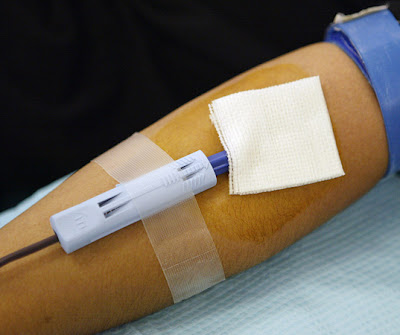
It’s hard to find a job that requires less work than simply being alive, but that’s really all you have to do if you want to be one of many Americans raking in the dough by donating body parts and bodily fluids to those who really need them. Not only does this career allow you to avoid work hours, deadlines, and co-workers, but the companies that harvest your precious body fluid will actually insist that you take some time off in between donations.

2. Lifeguard


Work on your tan all summer long, without having to do much of anything other than sit in a large chair, occasionally blow a whistle, and remind children to stop running every once in a while. There’s a reason why lifeguard is one of the most coveted jobs of all time. “Baywatch” drama aside, have you ever seen a live guard spring into action in real life? Probably not, especially if you can manage to get a lifeguard job at a local pool rather than an actual beach. Rather, this job consists largely of applying sunscreen to your nose, flirting with the opposite sex, and, in some cases, being in charge of the DVD collection at the pool.

1. Beer Taster


It sounds like a job forged in the depths of Homer Simpson’s dreams, but, believe it or not, there are people who are actually paid to taste beer. All day long. Most work in breweries or bottling plants under the moniker “quality control specialist,” because simply calling themselves a “beer taster” would undoubtedly earn the wrath of their friends, family, and co-workers, leaving them alone and miserable. If there’s a greater job on the planet than showing up for work each day, drinking beer until the 5:00 whistle blows, and then returning home, we don’t know what it is.

marți, 30 august 2011

Awesome Jobs Most Men Would Die For

Wine & Beer Taster

When you have a job like this, you have a warm, fuzzy feeling inside more often than most of us do. Every brewery needs a brew master, every winery needs a chief and these are the guys that ensure quality by making sure the products taste right. We all drink beer and wine probably on a regular basis but the main difference between us and these guys is that they get it for free, they get the best and they also get paid pretty damn well for drinking all day long. Cheers to that!


Medical Marijuana Tester

These are the guys that literally get a high from their jobs! Since marijuana dispensaries pop up in more and more states there was a need for someone who can test the quality of these places and their products. So, if you want to get high on a regular basis and maybe even get paid for it, this job might be perfect for you. But you have to be able to legally buy your own medical marijuana.

Food Critic & Travel Writer

Actually these could be two different jobs but they go really well together. Getting paid to eat is a great way to make a living and one that very few have the luxury of experiencing but getting paid to eat and also travel to different places around the world is amazing! Think of Anthony Bourdain. He basically gets paid to fly around the world sampling crazy food for his show No Reservations drinking, smoking, having fun and eating while getting paid the entire time.

Paradise Island Caretaker

Ben Southall beat out nearly 35,000 applicants from around the world for the dream assignment to swim, explore and relax on Hamilton Island in the Great Barrier Reef while also writing a blog to promote the area. He got a six month contract to serve as caretaker of this tropical Australian island worth $111,000 and he has to live in a three bedroom villa complete with pool and so on. If there are any paradise islands which need a caretaker, I'm available for the job. Oh yeah!

Prostitute Quality Control
Yes, I know what you're thinking again. Why is the woman in the cop outfit not wearing a mask like the others? Jaime Rascone has a job that most men would die for to have. He is in charge of quality control of a brothel in Santiago, Chile. Any girl that is thinking about working for Madam Fiorella's brothel undergoes many tests. First, they do a typical job interview followed by a psychological evaluation. The girls then go to photoshoots. After this, girls are eliminated until six are remaining. This is where Jaime comes in. He has sex with the remaining six girls in one day, all the while taking notes on how they move, talk and act during sex. He then gives his notes to Madam Fiorella. Unfortunately, the job is so "stressful" that he can only do it once a month. Poor guy.

Waterslide Tester

Where do I sign up for such a job? Well, you'll have to ask Tommy Lynch. He is the official "Lifestyle Product Development Manager" for First Choice and his job requires him to travel the world testing the company's waterslides at their resorts. He tests for water quality, speed, height and just general “fun-ness” of the slides. Lynch has been to resorts in Greece, Mexico, Dominican Republic, Jamaica, Cyprus, Turkey and many other exotic places. The toughest part of his job? Going down the slides when it is cold out.

Spy for the Government

I don't really know if spy for the government is the right job I'm thinking of. Something like James Bond is doing in all his movies, being a secret agent or something like that. I'm a big Bond fan and I'm pretty sure we'd all love to be like him. This job would involve an insane paycheck, guns, gadgets, hideouts, secret missions and.. you can get any women you want. The only downer is your life is practically a secret but I'm sure you won't care about that ... right?

Victoria's Secret Photographer
Actually being a photographer for any fashion magazine would be great too. You'll meet hot models and celebrities on a daily basis, shoot beautiful faces, get free tickets to fashion shows and other celebrity events and so on. But being a Victoria's Secret photographer ... that's even better. You'll shoot those delightful angels wearing only sexy lingerie or bikinis in exotic locations, you'll have a crazy night life and of course, make shit load of money.

Top Gear Presenter

If you've never heard of Top Gear, you probably lived under a rock until now. It's one of the most popular TV shows in the world and probably the best and funniest TV show about cars. The show is hosted by Jeremy Clarkson, Richard Hammond and James May and all they do all week long is testing supercars, doing crazy challenges, hitting into each other and well ... saying a lot of shit words on public tv. They wear jeans to the office every day because the office is a demolished airfield and hangar and a regular Friday for a Top Gear presenter might involve racing a Bugatti Veyron against a jet for example.

luni, 29 august 2011

The First Careers for the Wealthy and Famous

We all had to start somewhere – here are some interesting first careers for just a few of the wealthy and famous:
Donald Trump: Before he became a famous (and unbelievably wealthy) real estate mogul, he made his money collecting soda bottles.


Oprah Winfrey: Before she became a billionaire and one of the most respected women in TV, Oprah bagged groceries and worked at a radio station reading the news.

Charles Schwab: The billionaire owner of the discount brokerage named after him started his life bagging and selling walnuts and sold chickens and eggs in his hometown.

http://yourhiddenpotential.co.uk/wp-content/uploads/anita.jpg
Anita Roddick: She tried many jobs including teaching, and starting a restaurant with her husband before she created the extremely successful company, The Body Shop.

Jon Anderson: The guy who had the sole rights to sell Budweiser in LA got his start undercutting the theaters by selling less expensive popcorn!

Mark Burnett:One of the most well known reality show producers learned how to wrangle reality stars by recalling what he learned from his first career – working as a nanny!

Walt Disney: Mickey Mouse, Donald Duck, Goofy…all of these memorable characters came from the same man who started his career wanting to draw political cartoons and working for the Red Cross.

duminică, 28 august 2011

TOp 9 Stangest Jobs in History

Groom of the Stool


The Groom of the Stool was a male servant in the household of an English monarch who, among other duties, “preside[d] over the office of royal excretion,” that is, he had the task of cleaning the monarch’s anus after defecation. In the early years of Henry VIII’s reign, the title was awarded to minions of the King, court companions who spent time with him in the Privy chamber. These were the sons of noblemen or important members of the gentry. In time they came to act as virtual personal secretaries to the King, carrying out a variety of administrative tasks within his private rooms. The position was an especially prized one, as it allowed one unobstructed access to the King’s attention. Despite being the official bum-wiper of the king, the Groom of the Stool had a very high social standing.


Whipping Boy


A whipping boy, in the 1600s and 1700s, was a young boy who was assigned to a young prince and was punished when the prince misbehaved or fell behind in his schooling. Whipping boys were established in the English court during the monarchies of the 15th century and 16th century. They were created because the idea of the Divine Right of Kings, which stated that kings were appointed by God, and implied that no one but the king was worthy of punishing the king’s son. Since the king was rarely around to punish his son when necessary, tutors to the young prince found it extremely difficult to enforce rules or learning. Whipping boys were generally of high birth, and were educated with the prince since birth. Due to the fact that the prince and whipping boy grew up together since birth, they usually formed an emotional bond. The strong bond that developed between a prince and his whipping boy dramatically increased the effectiveness of using a whipping boy as a form of punishment for a prince. The idea of the whipping boys was that seeing a friend being whipped or beaten for something that he had done wrong would be likely to ensure that the prince would not make the same mistake again.

Fuller


Fulling is a step in woollen clothmaking which involves the cleansing of cloth (particularly wool) to eliminate oils, dirt, and other impurities, and making it thicker. In days gone by, the fullers were often slaves. In Roman times, fulling was conducted by slaves standing ankle deep in tubs of human urine and cloth. Urine was so important to the fulling business that urine was taxed. Urine, known as ‘wash’, was a source of ammonium salts and assisted in cleansing and whitening the cloth. By the medieval period, fuller’s earth had been introduced for use in the process which ameliorated the process and removed the need for urine.

Resurrectionist


In Britain, the crime of snatching a body was only a misdemeanor and so was punishable by a small fine only. This led to a huge industry in body snatching in order to provide corpses to the blossoming medical schools of Europe. One method the body-snatchers used was to dig at the head end of a recent burial, digging with a wooden spade (quieter than metal). When they reached the coffin (in London the graves were quite shallow), they broke open the coffin, put a rope around the corpse and dragged it out. They were often careful not to steal anything such as jewelry or clothes as this would cause them to be liable to a felony charge. During 1827 and 1828, some Edinburgh resurrectionists including Burke and Hare changed their tactics from grave-robbing to murder, as they were paid more for very fresh corpses. Their activities, and those of the London Burkers who imitated them, resulted in the passage of the Anatomy Act 1832. This allowed unclaimed bodies and those donated by relatives to be used for the study of anatomy. This effectively ended the body snatching business.

Dog Whipper


A dog whipper was a church official charged with removing unruly dogs from a church or church grounds during services. In some areas of Europe during the 16th to 19th centuries it was not uncommon for household dogs to accompany – or at least follow – their owners to church services. If these animals became disruptive it was the job of the dog whipper to remove them from the church, allowing the service to continue in peace. Dog whippers were usually provided with a whip (hence the title) or a pair of large wooden tongs with which to remove the animals. They were generally paid for their services, and records of payments to the local dog whipper exist in old parish account books in many English churches.


Toad Doctor


Toad doctors were practitioners of a specific tradition of medicinal folk magic, operating in western England until the end of the 19th century. Their main concern was healing scrofula (then called “the King’s Evil,” a skin disease), though they were also believed to cure other ailments including those resulting from witchcraft. They cured the sick by placing a live toad, or the leg of one, in a muslin bag and hanging it around the sick person’s neck. Needless to say this job would also require growing or gathering up a large collection of toads, and in the case of doctors who used just the leg, chopping their legs off to give to their patient.


Knocker-Up


A Knocker-up was a profession in England and Ireland that started during and lasted well into the Industrial Revolution, before alarm clocks were affordable or reliable. A knocker-up’s job was to rouse sleeping people so they could get to work on time. The knocker-up often used a long and light stick (often bamboo) to reach windows on higher floors. In return, the knocker-up would be paid a few pence a week for this job. The knocker-up would not leave a client’s window until they were assured the client had been awoken. This all leads to the obvious question: who knocks up the knocker-up?

Toshers and Mudlarks


A tosher was someone who scavenges in the sewers, especially in London during the Victorian period. The toshers decided to cut out the middle man and it was a common sight in 19th Century Wapping for whole families to whip off a manhole cover and go down into the sewers, where they would find rich pickings. As most toshers would reek of the sewers, they were not popular with the neighbors. Similarly, the mudlarks were people who would dredge the banks of the Thames in the early morning when the tide was out. They would have to wade through unprocessed sewerage and even sometimes dead bodies in order to find little treasures to sell. In a kind of weird twist, this is now the popular hobby of some middle class Londoners who travel the banks to clean up trash.

Jester


We have all heard of the court Jester – the fool who was permitted to insult the king without losing his head – as long as it made the king laugh. It was a job that came with accolades and with fear. It is also a job unlike any existent today. How many families do you know that employ a private “comedian” so to speak? But, while the job did vanish from history for hundreds of years, as recently as 1999 one Kingdom (Tonga) has appointed an official jester. In a bizarre (and very amusing) twist, the man appointed happened to also be the government’s financial advisor. He was later embroiled in a financial scandal. The American jester to the Tongan court was Jesse Bogdonoff and he is pictured above.

miercuri, 3 august 2011

TOP 8 Weird Prehistoric Jobs


Orgy Planner
Today we have a wedding planner or an event planner, but in the old days people saw orgy as a feast that had to be organized irreproachably. The orgy planner had a very unusual but very exciting job – he got to plan festivities for the rich of society and, in some cases, got many perks.

The orgy planner had to organize food, women, music, and accommodation. The downside to the job is that the orgy planner was not liked by all members of society, particularly those who were never invited to orgies and the trade was even banned for a short time. The most popular orgy planner was Gaius Petronius who wrote the satirical book about Roman debauchery called “Satyricon”.

Funeral Clown
A funeral clown had the main job obligation of going to funerals dressed as the dead person. Moreover, he also had to mime his gestures, walking and favorite expressions. During the funeral process, the clown ran all around the coffin together with other clowns in order to make the grieved relatives laugh. In Ancient Rome people thought that this type of ritual could comfort the spirits of the dead and bring joy to the living. There were also famous and very valuable clowns who had the opportunity to mock the emperors at their funeral. Macabre clowns were very well payed, historical sources saying that they gain even better than gladiators.

Whipping boy
They were created because the idea of the divine right of kings, which stated that kings were appointed by God, and implied that no one but the king was worthy of punishing the king’s son. Since the king was rarely around to punish his son when necessary, tutors to the young prince found it extremely difficult to enforce rules or learning.

A whipping boy, was a young boy who was assigned to a young prince and was punished when the prince misbehaved or fell behind in his schooling. The idea of the whipping boys was that seeing a friend being whipped or beaten for something that he had done wrong would be likely to ensure that the prince would not make the same mistake again.Whipping boys were established in the English court during the monarchies of the 15th century and 16th centuries.

Knocker-up
This peculiar job was popular in England and Ireland during the early days of the industrial revolution, before alarm clocks were affordable or reliable. A knocker-up’s job was to rouse sleeping people so they could get to work on time.

The knocker-up used a trucheon or short, heavy stick to knock on the clients’ doors or a long and light stick, often made of bamboo, to reach windows on higher floors. In return, the knocker-up would be paid a few pence a week. The knocker-up would not leave a client’s window until they were assured the client had been awoken.

There were large numbers of people carrying out the job, especially in larger industrial towns such as Manchester. Generally the job was carried out by elderly men and women but sometimes police constables supplemented their pay by performing the task during early morning patrols.

Dog whipper
A dog whipper was a church official charged with removing unruly dogs from a church or church grounds during services.

In some areas of Europe during the 16th to 19th centuries it was not uncommon for household dogs to accompany – or at least follow – their owners to church services. If these animals became disruptive it was the job of the dog whipper to remove them from the church, allowing the service to continue in peace.

In some areas a portion of village land was made available for the use of the dog whipper, the small park named ‘Dog Acre’ in Birchington-on-Sea is the remnant of such a grant.

Some villages employed dog whippers in a more general capacity, dealing with stray and disruptive dogs throughout the village. In this sense dog whippers were precursors of modern animal control officers.

Curse Tablet Writer
A curse tablet or binding spell is a type of curse found throughout the Graeco-Roman world, in which someone would ask the gods to do harm to others. These texts were typically scratched on very thin sheets of lead in tiny letters, then often rolled, folded, or pierced with nails.

The curse tablet writer had sit day in and day out hearing the complaints and woes of his customers who needed curses written. Here is one example: “bind every limb and sinew of Victorius, the charioteer for the Blue team.. the horses he is about to race… blind their eyes so they cannot see and twist their soul and heart so they cannot breathe.”

Tosher
A tosher is someone who scavenges in the sewers, especially in London during the Victorian era. The word tosher was also used to describe the thieves who stripped valuable copper from the hulls of ships moored along the Thames.

The toshers decided to cut out the middle man and it was a common sight in 19th Century Wapping for whole families to whip off a manhole cover and go down into the sewers, where they would find rich pickings.

As most toshers would reek of the sewers, they were not popular with the neighbours. One unexpected side effect of the sewer work was that toshers – or, at least, those toshers who survived – built up a strong tolerance to typhus and the other diseases that swept the ghettos.

Stercorarius
The stercorarius (or `night soil man’, as he was known well into the Fifties in Britain) had regular, if rather more disagreeable, work. We can assume that the average Roman generated about 1.5lbs of bodywaste a day. Imperial Rome, with a population of one million, would therefore generate more than 650 tons of daily sewage. Though we hear of the need for sewercleaners and the risk they ran of choking to death, little of this human waste would disappear down a sewer. Very few Romans were connected up since, in the absence of the S-bend, stench and vermin could find their way from sewer into house and, when the Tiber rose, sewage too (we hear of one house which an octopus nightly entered via the drain to eat the pickled fish stored inside).

But, more importantly, Romans regularly used human excrement to supplement animal manure. Where there’s muck, there’s brass, and it was the job of the stercorarius to empty the cesspits and sell on the contents to farmers on city outskirts. A graffito from Herculaneum records a payment of 11 asses for the removal of ordure (the as being the lowest denomination of coin).

uphaa.com

miercuri, 27 iulie 2011

TOP 10 Hottest Women of Business

For many, the word “businessperson” connotes men in white shirts and stranglehold neckties. That stereotype may have held true in the 1950s, but since then, the appearance factor of the business world has evolved substantially.

Take women. Hot women have always populated the business world in some shape or form. We tasked ourselves with compiling a list of the hottest businesswomen we could think of, for your viewing pleasure. These women are accomplished both in the business and the looks departments. Get acquainted with these hotties, outside of the cube–and outside of the pantsuit.

10. Marissa Mayer

Marissa Mayer (in Naeem Khan & jewelry by Graff)

Business Accomplishments: High-level management at Google.

Marissa Mayer was one of the first 20 employees at Google, so she has obviously been influential in steering the company towards its massive success and market share dominance. She currently serves as Google’s VP of Search Product and User Experience and de facto spokesperson. Her job is to verify whether Google products are ready for user release. Early on, Melissa used to date Google co-founder Larry Page, but has since moved on to other pastures. She is free for the looking for everyone.

9. Arianna Huffington

Arianna Huffington

Business Accomplishments: Founder of one of the most successful and influential websites ever.

The dynamic founder of the Huffington Post also boasts well-preserved good looks. She has quite the journalistic background, ranging from a panelist position on the BBC radio to co-hosting an Air America show. She used to be a vehement anti-Clintonian conservative; the HuffPo shows she has swung the other direction. Her hot qualities, meanwhile, stayed the same.

8. Rachel Ray

Rachel Ray

Business Accomplishments: Her brand. She can basically sell anything she wants at this point.

In fewer than seven years, Rachael Ray, 39, has radically changed the way America cooks dinner. Her perky-girl-next-door swagger, her catchphrases for techniques and her dinner ideology of simpler, less expensive and just in time have sold billions of books and placed her at the top of the talent love heap at the Food Network, which has changed its focus from information exchange to helpful encouragement.

As the author of the “30 Minute Meals” series and show of the same name, she parlayed her Food Network Success into a daytime talk show carried and blessed by Oprah herself and Harpo Productions. She also launched “Everyday with Rachel Ray” a lifestyle and Entertainment magazine focused on home and entertaining.

Recently she just launched a line of Dog Food called “Nutrish” cashing in on her quirky phrases that have endeared her to many.

7. Gina Bianchini

Gina Bianchini

Business Accomplishments: CEO of wildly successful Ning. Founder of Harmonic Communications and benefactor of its liquidation event.

Bianchini co-founded Ning, a customizable social networking platform, with Netscape founder Marc Andreessen in 2004. This Stanford MBA and former Goldman Sachs financial analyst has guided Ning’s unique platform, where users build their own features, to astonishing rates of success, from unnecessary $60 million VC rounds to phenomenal growth rates. She is also really hot.

6. Queen Rania of Jordan

Queen Rania of Jordan

Business Accomplishments: Board member of the World Economic Forum, founded the Queen Rania Center for Entrepreneurship

Queen Rania is a major advocate of women’s rights around the world, including the Middle East. She was ranked 81st in the Forbes 2005 100 most powerful women of the world list. She is a major philanthropist and supporter of the micro-fund movement.

5. Alexis Glick

Alexis Glick

Business Accomplishments: Vice President of Fox Business News & former Executive Director at Morgan Stanley

Alexis Glick is the hot on-air personality that (we think) is the main reason that millions of men watch Fox Business Network each week. She is hugely influential in the business world because of her control over strategy and programming decisions at Fox Business Network.

4. Tyra Banks

Tyra Banks

Business Accomplishments: Her brand and influence through her show. TV & film production. Product lines. Real estate development.

A successful model most of her life and an young female African-American role model to many, Tyra Banks could have stopped there, but has only risen since.

Starting in May 2003 her creation-America’s Next Top Model started modestly and has grown into a worldwide hit and is embarking upon its 10th cycle. The most recent edition was the network’s top-rated series, averaging 5.2 million viewers weekly. And The Tyra Banks Show — a broad mix of women’s issues and frothy fare — is now a talk-show force to be reckoned with: 4.3 million adult female viewers tuned in weekly this past November sweeps, and, with a median age of 40, Tyra has the youngest talk-show audience in daytime. (Oprah’s median age is 55.) Now the 34-year-old has a broader goal in mind: world domination. (Yes, seriously.) With a recent multimillion-dollar TV-and-film-production deal through Warner Bros. Entertainment, along with retail and real estate projects in development, Banks is poised to become the most influential woman in television since the almighty O herself.

3. Heidi Klum

Heidi Klum

Business Accomplishments: Executive Producer, Project Runway. Clothing and accessory lines. Brand sponsorships.

From fashion runways to Project Runway, Heidi Klum’s goldilocks and 1,000 watt smile has lit up magazine covers, stages and screens from here to Milan since 1992. Bronze and toned, her body splashed the cover of Sports Illustrated and earned her the coveted “Angel” position with Victoria’s Secret. She has appeared in several television shows and movies, which led her to pitch and secure the phenomenally popular and only reality-show winner of the Peabody Award “Project Runway” on Bravo as Host, Judge and Executive Producer. Behind her playful lips and cutesy German accent lies the mind of brilliant businesswoman dedicated to expanding her empire; which in 2008 Forbes estimated at 14 million a year and growing, placing her 2nd on the Top Model list. With her own clothing and accessories line coming in 2009, spokesperson deals with Jordache and VW and her countless appearances on film and television, there are a lot chances to salivate over Heidi for a long time.

2. Beyonce Knowles

Beverly Hilton

Business Accomplishments: Entertainment empire, endorsement deals, fashion lines.

After ditching Destiny’s Child to go solo in 2003, the Houston native has released two platinum albums and built a wildly successful entertainment empire that includes fashion, film and publishing deals. She sold $50 million in tickets on a recent tour. Her endorsement contracts, with L’Oréal, American Express and others, bring in $10 million annually.

1. Sara Blakely

Sara Blakely

Business Accomplishments: Founder of SPANX product line for women.

Sara Blakely literally embodies the can-do spirit that lies within the heart of just about all of us. A few years ago, when frustrated in her search to find a pair of pantyhose that would offer some slimming features, she took $5,000 from her savings and started her own company to produce exactly that kind of product. With that product, called SPANX, Sara Blakely quickly became a hero to women all over the world while, at the same time, helping to revive an industry that had been in a slump for more than a decade. Sara now divides her time between her business ventures and public speaking engagements in which she inspires and motivates women to take on the world through involvements with business, community, and politics. In her keynote speeches, she talks about her Sara Blakely Foundation, which is dedicated to supporting and empowering women around the globe. By both her words and actions, she has become widely recognized as a powerful force in both the celebrity world and the world of business and finance.

Source

vineri, 19 februarie 2010

Banii nu aduc fericirea, numarul lor! Rolul banilor intr-un cuplu!

Din mijloace, banii s-au transformat in ultimii ani tot mai mult in scop in sine: ne domina gandurile si comportamentul, amenintand sa devina singura unitate de masura a valorii individuale. Dar daca este adevarat ca bogatia are o mare putere de seductie, legatura ei cu universul afectiv este mult mai complexa: nu ajunge un cont in banca care sa-ti garanteze fericirea. Iar in ultima instanta, spun specialistii, raportul pe care fiecare din noi il stabileste cu banii reprezinta si un soi de hartie de turnesol: daca suntem avari sau generosi, aceste caracteristici se manifesta fara doar si poate si si in relatiile cu ceilalti.

In cautarea fericirii

Banii nu aduc fericirea – de cate ori nu am auzit acest cliseu; si totusi a mai demonstrat-o inca o data (cel putin statistic) un studiu realizat recent de Nielsen la nivel global, din care aflam ca in timp ce pentru un vietnamez “fericirea” inseamna o viata sexuala frenetica si un mall bine aprovizionat in vecinatatea casei, pentru un american ea tine de cat de bine se intelege cu colegul de birou.

Cercetarea in cauza a fost realizata in baza unor chestionare online, postate pe site-uri de e-commerce si portaluri de mare anvergura, la care au raspuns 28.000 de persoane din 51 de tari in prima jumatate a anului trecut. Ulterior, rezultatele au fost sintetizate intr-un grafic menit a corela “nivelul de fericire” detectat la locuitorii din diferite tari ale lumii (inteles ca grad de satisfactie generata de propria existenta pe o scara de la 1 la 10) cu venitul mediu pe cap de locuitor, operatiune din care a reiesit fara umbra de indoiala ca nu exista nicio legatura de “interdependenta” intre bogatie si fericire. Ba mai mult: oamenii cei mai satisfacuti de viata pe care-o duc sunt tocmai cei din tari sarace precum Vietnam, Thailanda, Mexic si India. O fi pentru ca, in fond, si banii au “pretul” lor?

In general, din raspunsurile participantilor la studiu a reiesit ca barbatii si femeile au o viziune foarte diferita despre ce inseamna fericirea: primii sunt fericiti proportional cu numarul banilor pe care-i au la dispozitie, in timp ce femeile prefera sa aibe relatii bune cu copiii, colegii si sefii. In ultima instanta insa, potrivit specialistilor Nielsen, factorii care influenteaza perceptia asupra fericirii sunt in numar de trei: situatia financiara personala, cea afectiva si psihologica si cea profesionala, dar cu diferente importante de la tara la tara.

In Italia, de exemplu, raporturile cu familia si prietenii se numara printre principalii factori determinanti ai fericirii; in schimb vietnamezii si indonezienii nu se incurca cu astfel de “sentimentalisme”, considerand drept elemente indispensabile propriei fericiri o viata sexuala implinita, un acces facil la informatii si o varietate mare de locuri in care sa faca shopping. La randul lor, finlandezii si elvetienii considera fundamentala sanatatea fizica, iar pentru lituanieni sunt determinanti banii si siguranta locului de munca. In Statele Unite si in Polonia, raporturile cu colegii de serviciu sunt chiar mai importante decat cele cu rudele de sange; din acest punct de vedere, situatia este chiar si mai bizara in Vietnam, unde pe cat se pare e exclus sa fii fericit daca nu te afli in relatii bune cu seful.

Dar ce ziceti de locuitorii Chinei si cei din Republica Ceha, unde factori decisivi in atingerea adevaratei impliniri personale ii reprezinta situatia economica a natiunii, justitia sociala si activitatea guvernului?

Studiul Nielsen mai da la iveala si o informatie cel putin surprinzatoare: analizand chestionarele pentru a intelege daca nivelul de fericire al unei tari este influentat sau nu de disparitatile salariale, un nivel scazut al coruptiei si pace, cercetatorii au descoperit ca tarile cu cele mai multe probleme in aceste domenii sunt si cele unde oamenii sunt cei mai fericiti.

Potrivit specialistilor, in tarile emergente unde in ultimi ani s-a inregistrat o crestere economica mare se gasesc oamenii cu nivelul mediu cel mai ridicat de fericire, iar in extrema cealalta se afla tarile industrializate: o explicatie ar putea fi faptul ca aici criza le-a afectat oamenilor obiceiurile de consum bine impamantenite, crescand nivelul de insatisfactie si diminuandu-le in consecinta gradul de fericire.

Din dragoste… pentru bani

Casatorie din dragoste? Chestie depasita, din alte timpuri: in “era” crizei economice oamenii se casatoresc din ratiuni mai “serioase”: cum ar fi banii. In ultima vreme mai ales in Spania. Stirea a aparut nu demult in cotidianul iberic “El Periodico”, care scria ca sute de spanioli isi declara pe internet disponibilitatea matrimoniala, evident contra unei compensatii banesti. Publicul-tinta? Extracomunitarii care pot astfel obtine un permis de rezidenta. Pe net s-au inmultit ca ciupercile dupa ploaie anunturile de genul “sunt dispus sa ma casatoresc pentru 5.000 de euro. Sunt o persoana serioasa” si nu lipsesc nici chiar cei care incearca sa castige un ban cinstit de pe urma permisivei legislatii spaniole cu privire la uniunile homosexuale.

Jurnalistii de la “El Periodico” l-au intervievat pe Luis, un tanar care a raspuns plin de speranta la anuntul postat de redactie in numele unei brazilience (fictive). “O fac doar pentru bani: sunt somer si din luna ianuarie nu-mi gasesc de lucru. Am nevoie de bani pentru a-mi plati chiria la casa”. Ca atare, preturile oscileaza intre 3 si 6.000 euro, iar cei interesati sa-si vanda “libertatea” sunt tineri studenti care vor sa-si plateasca studiile, barbati divortati care nu reusesc sa mai plateasca pensia alimentara si multi someri.

Lucrurile nu stau prea diferit nici chiar in Germania, unde o ancheta facuta de cotidianul “Stern” a aratat ca si pentru nemti, o casatorie din dragoste intr-o perioada atat de incerta din punct de vedere economic reprezinta un risc pe care putini si-l mai asuma.

Cel mai tare din parcare

Daca numaratul oilor se spune ca ar favoriza aparitia somnului, atunci cand va simtiti deprimati sfatul specialistilor ar fi sa numarati…bancnote (pe cat posibil de 100 de euro).

Forta psihologica si simbolica a banilor a fost si ea pusa la incercare de un grup de cercetatori de la Universitatea Minnesota (Statele Unite), condus de psihologul chinez Xinyue Zhou. Demersul psihologilor de a intelege mai bine impactul psihologic, fizic si social al banilor a scos la iveala faptul ca manevrarea sau chiar doar contemplarea banilor poate calma atat durerea fizica, cat si suferinta provocata de respingerea sociala.

De altfel, studiul a confirmat concluzia unor experimente anterioare, in care subiectii confruntati (la nivel subconstient) cu perspectiva unui castig banesc au fost mai putin tentati sa ceara ajutorul la indeplinirea unor sarcini dificile. “Cercetarile anterioare n-au mers atat de departe incat sa coreleze aluziile la bani cu ceva la un nivel de perceptie fizic”, a precizat Kathleen Vohs de la University of Minnesota, Minneapolis, implicata in ambele studii. Mai precis, in prima faza, constatarile facute de psihologi au indicat ca simplul gand la eventuala posesie a unei sume de bani ii face pe oameni sa se simta mai puternici din punct de vedere fizic si mai siguri pe ei in satisfacerea propriilor nevoi. Banii activeaza un sentiment general de incredere in sine, tarie si eficienta, este parerea oamenilor de stiinta.

Sursa foto: Cocalari si printese

Potolind durerea

Seful echipei de cercetare, psihologul Xinyue Zhou de la Sun Yat-Sen University din Guangzhou, China a condus de-a lungul vremii 6 experimente cu grupuri de intre 72 si 108 studenti, pentru a testa masura in care ganduri subconstiente generate de perspectiva unui castig sau a unei pierderi financiare le afecteaza acestora rezistenta atat la suferinta provocata de o respingere in plan social, cat si durerea fizica resimtita la un contact al degetelor cu apa fierbinte.

Faptul ca sentimentul excluderii sociale si durerea fizica au generat reactii paralele intareste o idee de data recenta in psihologie, aceea ca dintre uneltele cu care creierul proceseaza interactiunile sociale, unele ar fi evoluat adaptand sistemele pre-existente care administrau durerea fizica. Atentie insa! Este vorba despre o arma cu doua taisuri, intrucat daca numaratul banilor “iti da aripi”, sa-i vezi cum ies din propriul buzunar s-a dovedit a avea un efect diametral total opus. “Amintirea” banilor cheltuiti intensifica ambele tipuri de durere.

Dan Ariely, economist la Duke University in Durham, North Carolina, considera si el ca banii ar putea fi o cale prin care oamenii si-ar putea recapata sentimentul ca detin controlul propriei existente. “Ar fi fost grozav daca am fi testat felul in care acest sentiment s-a modificat de-a lungul timpului”, adica pe masura ce economia a intrat in recesiune, crede el, avand in vedere ca un astfel de studiu ar putea scoate la iveala rata de schimb fluctuanta intre valoarea “calmanta” a banilor” si legaturile cu comportamentul social

Stare de alerta

Potrivit unui articol publicat in “The New York Times”, David Lewis, neuropsiholog si director de cercetare la Mind Lab, o companie de consultanta din Marea Britanie, in luna februarie a acestui an, cand recesiunea tocmai ce “sugruma” economia globala, a aruncat o privire la felul in care creierul oamenilor raspunde la produse de lux din categoria “high-end”. De altfel, in ultimii cativa ani, cei care au apelat cel mai mult la specialistii in noul domeniu al neuroeconomiei si neuromarketingului (in care oamenii de stiinta le scaneaza creierul consumatorilor pentru a analiza felul in care acestia iau decizile cu privire la bani) au fost tocmai designerii si comerciantii de produse de lux.

Cei 36 de subiecti implicati in studiul lui Lewis, in cea mai mare parte doctori si avocati sau oricum consumatori de soiul celor care si-au mentinut o putere de cumparare apreciabila, au fost conectati la QEEG (quantitative electroencephalography) si echipament de eye-tracking menit a le inregistra fidel reactiile suscitate de bijuterii Cartier, ceasuri Patek Philippe, genti Gucci, pantofi de la Jimmy Choo, Fendi si Miu Miu, motociclete Harley-Davidson si masini sport Mercedes-Benz.

Lewis spune ca ar fi detectat raspunsuri emotionale pozitive — entuziasm, excitare si un nivel ridicat al atentiei –, indicatoare ale faptului ca dorinta fata de produsele respective inca exista, dar si o crestere a nivelului de stres nedetectata in studii similare facute inainte de recesiune. Concluzia? Perspectiva de a achizitiona cu adevarat aceste produse cu preturi exorbitante le-a declansat subiectilor sentimente negative in doua regiuni ale creierului, cortexul prefrontal si insula. ‘‘Inainte de criza ei le-ar fi vazut si ar fi fost entuziasmati. Acum, vederea acestora le declanseaza stari conflictuale si o scadere a motivatiei de a le cumpara”, a precizat cercetatorul, care de altfel a condus studii similare si in timpul crizei petrolului din 1970 si dupa falimentul dot-com-urilor din 2000.

In ultimul timp, interesul stiintific pentru multiplele functiuni ale asa-numitei “insule” cerebrale, despre care se crede ca ar juca un rol-cheie in experientele emotionale subiective, este in crestere.

In opinia lui Kit Yarrow, profesor de psihologie si marketing la Golden Gate University, care a analizat peste 2.000 de consumatori de cand a inceput criza economica, perspactiva unei cheltuieli declanseaza in prezent o stare de alerta la nivel cerebral, iar partile cu functiuni sofisticate ale creierului analizeaza dorintele hedoniste si sentimentele de dezgust, cantarind riscurile in raport cu recompensa. “Pericol, pericol, acest pret ma dezgusta”, poate fi semnalul transmis de creier la vederea unei etichete cu pret exorbitant, crede psihologul.

“De obicei la vederea diamantelor nu ni se intoarce stomacul pe dos, dar multe lucruri pot declansa aceasta senzatie”, crede si James Gross, profesor de psihologie la Stanford University, care studiaza reglarea emotiilor la nivel cerebral. Cu alte cuvinte, in timp ce creierul uman trimite in mod automat un semnal de repulsie la vederea unei bucati de carne stricata de exemplu, potrivit specialistilor, nu este exclus sa aiba o reactie similara si in fata unei posete Hermes de designer.

Sursa: Descopera.ro